Article
Winter vs summer sun: why the same room changes so much
See how winter vs summer sun changes its height and reach indoors, why balconies and neighbours matter, and what to check before choosing a home.
A room that looks bright in summer can feel different in winter, and the reverse is possible too. Winter vs summer sun changes its path and height in the sky. Lower winter light can reach further across the floor when it has a clear route through the window. Higher summer light often falls nearer the window, especially below an overhang.
In short: Winter sun is usually lower, so light through an unshaded window can reach deeper into a room. Summer sun is higher and may be blocked by an overhang, even while the room looks brighter overall. Compare the same window at the hours you use it in both seasons, including real shade outside.
For a real home, compare the same window at the hours you use the room in both seasons. Look beyond the window: balconies, roof edges and neighbouring buildings can change which sunlight reaches it. A floor plan can show window positions, but it cannot tell you on its own whether a winter afternoon will be bright.
Winter vs summer sun: height and reach
In many locations, the sun takes a lower path across the sky in winter and a higher one in summer. When low sunlight enters a window, it can stretch further into the room. A high sun shines more steeply, so a bright patch may stay closer to the window. The exact pattern depends on the window's direction and the building's shape.
This explains a common surprise: a room may have a deep pool of direct sun on a clear winter day even though its summer sun seems confined to the window side. It does not mean winter is always brighter. Days are shorter in winter, and a low sun is easier for nearby objects to block.
Look at the sun's timing as well as its height. A room that receives summer evening light may lose it earlier in winter. If you are usually away during daylight hours, the light you experience in the home may change more than a midday comparison suggests.
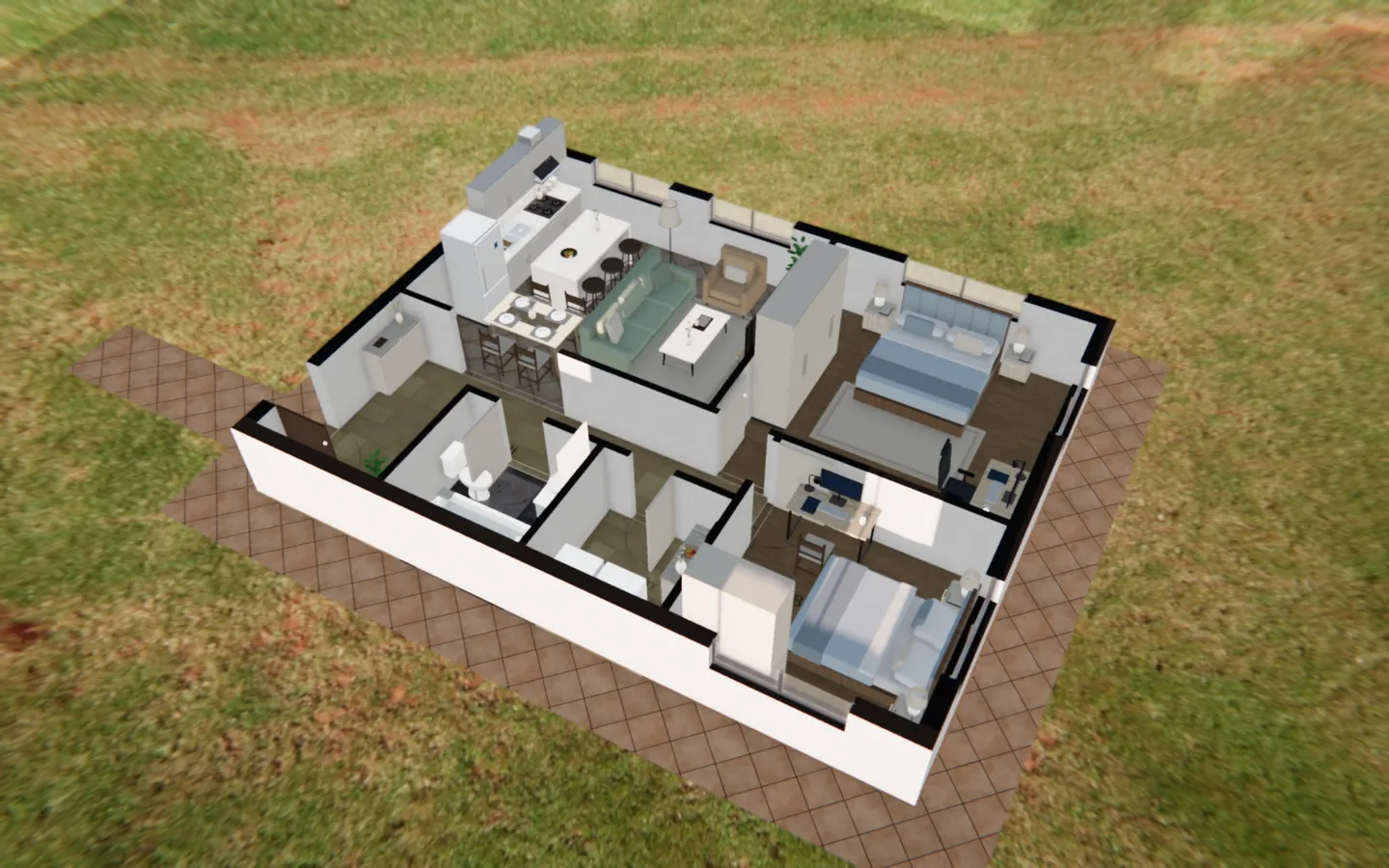
Balconies and roof edges can reverse your impression
A balcony above a window or a deep roof edge may shade the room when the summer sun is high. In winter, the lower sun may pass beneath the overhang and reach inside. That can be useful if you want summer shade and winter daylight, but the result depends on the actual orientation and dimensions.
An overhang can also block valuable light if its position and the sun's direction combine badly. Look up when you stand at the window. A photograph facing straight out may hide the balcony slab above. On a plan, check whether a terrace or projecting structure sits over the room below.
Blinds and curtains give you control after light reaches the window. They cannot bring back sunlight blocked outside. Before choosing a home for its sunny living space, find out whether the window has an open view of the sky during the season you care about.
Neighbours shade low winter light
The low winter sun can be blocked by a building, wall, hill or tree that does little to the higher summer sun. This is why a summer viewing can overstate how sunny a room will be in winter. A property across the street may cast a long shadow at midday on a winter day.
Walk around the outside if you can. Notice which windows face open sky and which look towards tall buildings. Ask about the outlook if construction nearby could change it. If possible, visit at the hour you would usually be home. Even a short look from the window adds information a compass arrow cannot provide.
The reverse can happen with seasonal foliage: a tree may provide summer shade and let through more light when bare. Its shape and position matter. Treat that as an observation to check on site rather than an assumption from the plan.
What seasonal light means in each room
- Bedroom: East-facing sun can make early waking pleasant, but a late sleeper may need blackout curtains; a north-facing bedroom in the northern hemisphere stays darker and calmer.
- Living room: West-facing light can brighten the room after work and add summer warmth. Check the television for low-sun reflections.
- Kitchen and dining: Compare low sun across a worktop or dinner table with summer heat behind large glass.
- Work corner: Steady side light is easier to use than direct sun on a monitor or in your eyes; test your usual working hours.
- Floors and fabrics: Strong direct sun can fade rugs, flooring and upholstery over time.
What to check in midwinter
Pick the rooms whose light matters most, then make the same checks for each:
- Window direction: Find north on the plan and note where the room faces.
- Overhang: Look for a balcony or roof edge above the window.
- Outlook: Note buildings, hills, walls and trees opposite it.
- Usual hour: Choose the time you normally use the room.
- Seasonal comparison: Check a winter morning and midday or afternoon, then repeat at the same hours in summer.
Compare that with a summer day at the same times. You are looking for a pattern, not one perfect sunny image. Would winter daylight reach where you sit? Would summer sun cause glare on a screen? Would a blind solve the glare, or would it leave you using electric light all day? The answer is personal and depends on the room.
If you are choosing between properties, keep the dates and hours consistent. Comparing a winter morning in one flat with a summer evening in another tells you little. For a broader explanation of orientation, see which direction a house should face. For more about reading seasonal light indoors, see sunlight in your future home.
For a room with several windows, consider each opening separately. One may admit low winter sun while another supplies softer daylight through summer. Closing a blind on one side might still leave the room pleasant. A single label such as “south-facing living room” can hide that flexibility, so look at the whole window arrangement.
Compare winter and summer sun in the same room
In Home 3D Studio, upload a picture of a floor plan and check its dimensions. Open Outside to set the sun and plan orientation. Walk through the rooms at your chosen winter and summer hours; you can jump to sunrise, noon or sunset. The Sun tool guide explains the controls.
- Open the two-bedroom apartment sample free, with no sign-up.
- Set Place in Outside > Sun to the city or coordinates so the sun's path matches that latitude.
- Set North to turn the plan until north matches reality; a compass app on your phone can show it.
- Set Date to compare December and June, since the same room can change markedly between seasons.
- Set Local time to the hours you use the room.
- Use Walk to compare the same room at the same hour in winter and summer.
The result is only as accurate as these settings and the plan; the tool does not know neighbouring buildings or trees.
Try it free now on the sample with every tool and no sign-up; at the time of writing, your own plan costs 20 credits, from €4.99 for 50 credits when you upload your plan.
The tool knows the sun's position, but not the buildings, trees or hills around the property. It also does not predict cloud cover. Use it to test the plan, then verify real shade at the site or from reliable views of the surroundings.
See it in 3D
Open a sample design and walk through it, check the sun, set the hour and watch the lamps come on. It is free, in your browser, with nothing to install.
Or open a sample directly: 1920s teacher's cottage · Two-bedroom apartment
Check winter light before you decide that a summer-bright room is right for you. The useful comparison is the same room, at the same hour, with its real surroundings in mind.